
Car Accident in Washington, DC: Timeline of a Typical Case
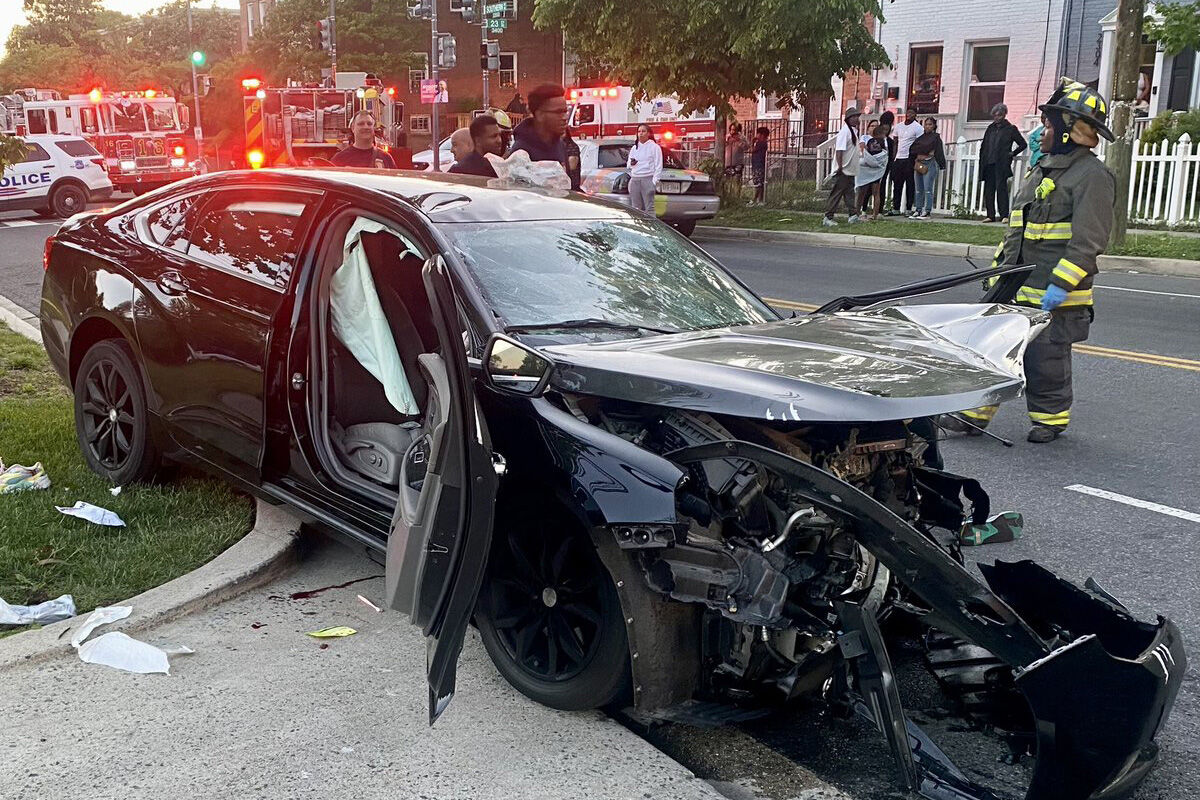
It can be unsettling to be involved in an automobile accident in Washington, DC. You’re traveling through well-known streets one minute, and then you’re juggling paperwork, discomfort, and stress the next. What comes next? How much time will it take? I’ll take you step-by-step through it so you know what to anticipate.
A Brief Overview Before We Start
An automobile accident lawsuit can be compared to a lengthy road journey. There are occasionally detours, delays, and stops. Certain cases end quickly. Some require months or even years. Injuries, insurance, and the other team’s willingness to play fairly all play a role. Indeed, having the proper legal assistance is important. These matters are handled daily by organizations like Price Benowitz Accident Injury Lawyers, LLP.
Step 1: Directly Following the Crash (Days 1–7)
The scenario is where it all begins. You make a police call. You share information. Perhaps you are a photographer. Everything seems hurried. Medical care comes next. Get checked out even if you feel “okay.” Whiplash and other injuries frequently manifest later. In a few days, you may also:
- Make a police report.
- Inform your insurance provider
- Begin collecting basic evidence.
The point is, your entire case can be shaped by what you do during this initial week.
Step 2: Obtaining Legal Assistance (Weeks 1-4)
Most people ask, “Do I need a lawyer?” at some point. Perhaps not if the injuries are minimal. However, it’s advisable to speak with a DC personal injury lawyer as soon as possible if costs begin to mount or if the discomfort persists. An attorney will:
- Examine your case.
- Respond to calls about insurance
- Begin constructing your claim.
To be honest, this stage is usually relieving. You no longer need to battle by yourself.
Step 3: Medical Care and Recuperation (at least one to six months)
This requires patience as well as time. You’ll go to therapy sessions, doctor’s appointments, and possibly even surgery. Your well-being comes first. Always. What is the legal significance of this? Because the value of your case depends on:
- The severity of your wounds
- Treatment duration
- Future medical requirements
Your claim may suffer if you rush this phase. You miss the entire plot, much as when you leave a movie midway.
Step 4: Research and Evidence Collection (1-3 Months)
Your attorney starts working while you recover. They gather:
- Police reports
- Health records
- Statements from witnesses
- Video from a traffic camera (if accessible)
Experts, such as medical professionals or accident reconstruction specialists, occasionally intervene. Although it sounds complicated, the basic idea is to demonstrate what transpired and who is at fault.
Step 5: Negotiation and Demand Letter (2–6 Months)
Your attorney sends a demand letter as soon as your treatment stabilizes. This document describes:
- What took place
- Your wounds
- Total damages (pain, lost income, and medical expenses)
After that, talks start. Insurance firms frequently resist. That is typical. They may not give you what you deserve. Your attorney argues against it. It goes back and forth. This is where some cases end up. Many people do.
Step 6: Bringing a Lawsuit (If Required)
Your attorney may bring legal action if talks break down. Things get more official now. This does not imply that you will go to trial right away. It just forces the opposing side to give the matter serious consideration. And occasionally? That is precisely what is required.
Step 7: Phase of Discovery (6–12 months)
Here, information is shared between the two parties. You might hear phrases such as:
- Recorded interviews, or depositions
- Interrogations (written inquiries)
- Document requests
It may seem intrusive. You may be questioned about your past, injuries, and even day-to-day activities. Don’t worry, though; your attorney will help you through it.
Step 8: Settlement or Mediation Discussions
Most courts promote settlement negotiations prior to trial. Finding common ground is facilitated by an impartial mediator. It can be effective at times. It doesn’t always. In actuality, though, a lot of cases end at this point. Even those that previously appeared to be stuck.
Step 9: Test (If Needed)
While not all cases proceed to trial, some do. During the trial:
- Attorneys provide proof
- Witnesses provide testimony
- The verdict is decided by a jury or judge.
Days or weeks may pass. Yes, it’s intense. However, it’s also your opportunity to completely share your tale.
How Much Time Does It Take, Then?
There isn’t a precise timeline, let’s face it. However, a ballpark estimate:
- Basic situations: 3–9 months
- Moderate cases: nine to eighteen months
- Complex cases: one to three years
Injuries, conflicts, and the speed of events all have a role. Here, patience is crucial. Less compensation is frequently the result of a hurried case.
The Significance of Legal Assistance
Parts of the process could be done by you. Some folks make an effort. However, insurance firms? Teams have been trained to reduce compensation. Working with a company like Price Benowitz Accident Injury Lawyers, LLP might therefore tip the scales. They are familiar with the system. They are aware of the strategies. They are also skilled at resisting.
FAQs: Common Questions
- How soon after a car accident should I get in touch with a lawyer?
Within a few days, you ought to get in touch with a lawyer. Early assistance safeguards evidence and avoids insurance-related errors. Your case may be weakened if you wait too long.
- What happens if I recover from the accident without any problems?
Certain injuries take time to manifest. It’s possible that you’ll feel better today but worse tomorrow. Consult a physician at all times. Your later claim is also supported by medical documents.
- If I was partially at blame, can I still make a claim?
Indeed. Contributory negligence is a stringent law in Washington, DC. Your case may be impacted by even a minor error. A lawyer can evaluate your circumstances and offer you advice.
- What is the value of my vehicle accident case?
It depends on your injuries, expenses, and how they affect your day-to-day activities. There isn’t a set quantity. The value of cases involving long-term injuries or lost wages is typically higher.
- Will a trial be held in my case?
Before a trial, most cases are settled. Nevertheless, getting ready for the trial improves your case. The next stage is a trial if the opposing party refuses to pay fairly.
Concluding Remarks
Cases involving auto accidents don’t get resolved quickly. They travel down a path that can be dirty or smooth at times. Understanding what is ahead is crucial. And if everything seems overwhelming? That is typical. You have to cope with healing, stress, and adjustment in addition to paperwork. One step at a time, please. Additionally, don’t be afraid to seek appropriate assistance when necessary.


