
Premier League 2019/20: Which Teams Were Bettor-Friendly and Which to Avoid
Looking back at the 2019/20 Premier League, the table alone does not tell you which clubs rewarded bettors and which consistently created traps. To understand which teams were worth backing and which were better avoided, you have to connect performances, style of play, and situational pressure to the kinds of prices that were regularly offered across the season.
Why the 2019/20 season helps identify reliable and risky teams
The 2019/20 campaign is a strong case study because it combined a runaway champion, chaotic mid-table shifts, and a tight relegation battle inside a season disrupted by a long COVID-19 break. That mix created clear patterns in how certain teams either met expectations or repeatedly failed market assumptions, which is exactly what bettors need to study when deciding who to trust. When one club dominates the league while others oscillate wildly, the gap between perceived strength and actual betting value becomes easier to see in hindsight and can train your eye for future seasons.
Teams that consistently rewarded backers
From a results perspective, Liverpool were the most straightforward club for bettors because they produced sustained winning performances that justified short prices for much of the season. They amassed 99 points, won 32 matches, and clinched the title with seven games to spare, which meant moneyline backers who stuck with them in standard league fixtures were rarely punished, even if the odds were often very low. This level of dominance also meant that, when markets hesitated early in the campaign to fully price their superiority, there were short periods where spreads and totals offered more than fair compensation for the risk of backing a team that clearly controlled matches.
Strong but volatile teams that required selective betting
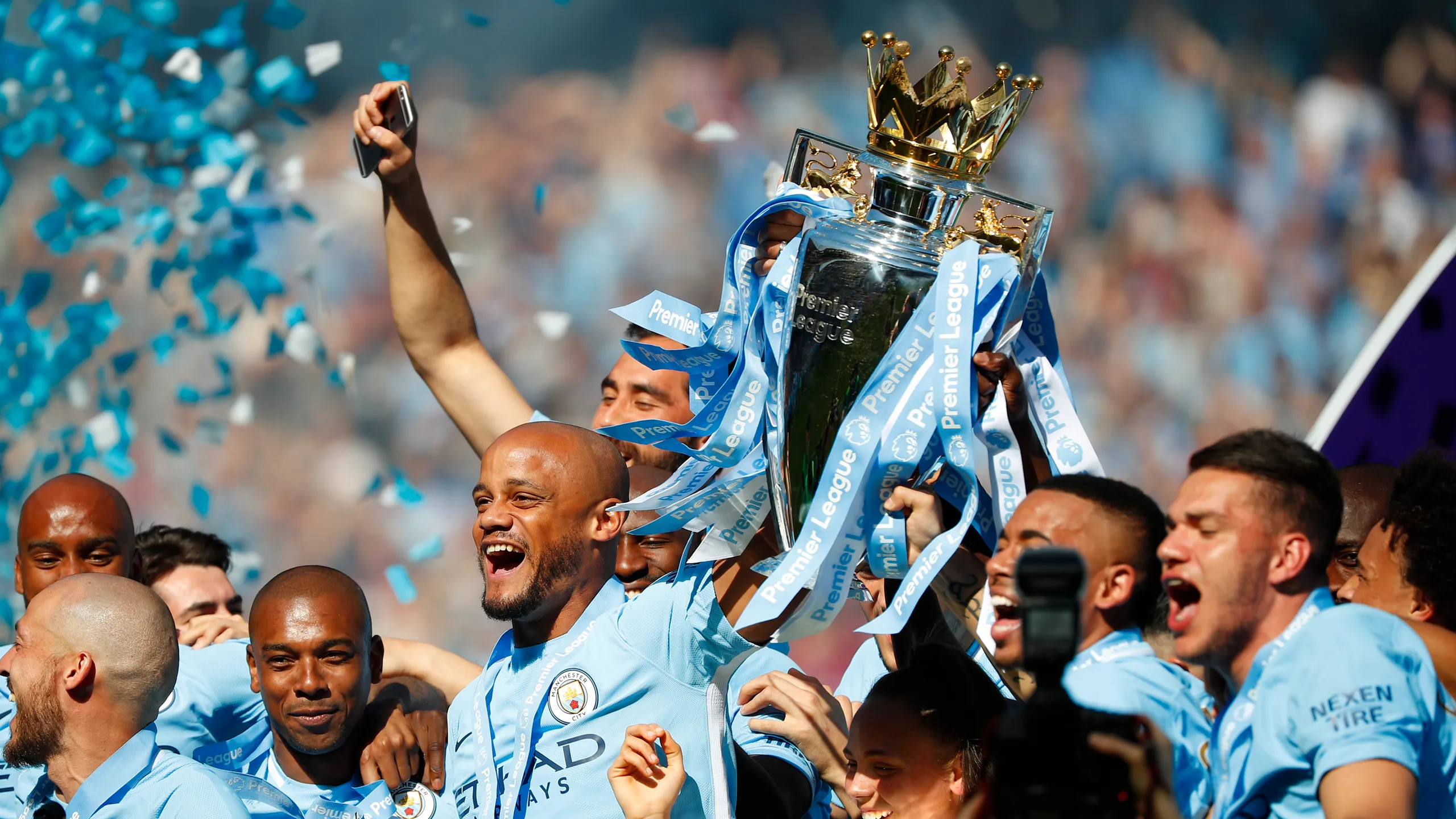
Manchester City finished second with an explosive attack, scoring around 100 league goals, yet they lost more matches than a typical title challenger, which made blind loyalty a poor betting strategy. Their ability to deliver huge wins, such as the 8–0 demolition of Watford, showed that when they clicked they could comfortably beat handicaps, but their nine league defeats exposed defensive lapses and occasional flat performances that hurt bettors who backed them at very short prices without checking motivation, schedule congestion, or opponent quality. In practical terms, this meant City were better treated as a team to support in carefully chosen spots—especially when chasing to close the gap on Liverpool or facing weaker defences—rather than a permanent automatic pick.
Mid-table surprises that created quiet value
Several mid-table and newly promoted clubs in 2019/20 proved far more stable than public perception suggested, which often left them slightly undervalued in individual matches. Sheffield United, for example, finished ninth in their first season back, conceding only 39 goals, a record low for a promoted side, which created a pattern of tight matches where backing them on handicaps or low-goal totals made more sense than treating them as relegation fodder. Burnley’s 10th-place finish and strong defensive record under Sean Dyche reinforced the idea that unglamorous, well-organised sides can be profitable when markets and casual bettors focus more on big names than on the consistent ability to grind out results, especially at home.
Conditional scenarios where these mid-table teams were attractive
The most attractive betting opportunities around these solid mid-table teams tended to occur when they faced either out-of-form favourites or direct rivals in compact stadiums where their structure mattered more than individual star power. When Sheffield United or Burnley hosted sides whose strengths lay in open, attacking football, the hosts’ discipline often dragged the match into a slower rhythm, improving the chances of unders or narrow-scoreline outcomes that pushed value toward the underdog or the draw. Conversely, when these same teams were forced to chase games against technically superior opposition, the tactical balance shifted, and bettors needed to be far more cautious about assuming another low-scoring grind, since strategic risk-taking can quickly erase the defensive edge that made them appealing in the first place.
Relegation-threatened clubs that were dangerous to trust
The relegation scrap in 2019/20 highlighted why desperation does not always translate into reliable bets. Clubs like Norwich City, Watford, and Bournemouth ultimately dropped, and while each produced isolated shocks, their overall inconsistency in both defence and attack meant that backing them frequently based purely on “must-win” narratives usually turned into a losing strategy. The pressure of needing points, combined with managerial changes and tactical uncertainty, created a pattern of erratic performances where short-term surges were hard to sustain, so a more prudent approach was to oppose them in structurally difficult matches and be highly selective when considering them as underdogs.
How an online betting site perspective changes your reading of these teams
When you look at the 2019/20 season through the interface of an online betting site, the abundance of markets on each match amplifies both the opportunities and the risks around these team profiles. Observation of how odds shifted for Liverpool’s matches compared with mid-table clashes or relegation battles shows that the market often priced narrative—title race, managerial changes, or must-win pressure—into headline markets faster than into secondary options like totals or handicaps, leaving gaps that careful readers could exploit. For beginners, this means the key question is not only whether a team was strong or weak, but which specific markets most accurately expressed that reality within the structure of the betting options they were seeing on screen, and which prices still seemed anchored to outdated reputations rather than current-season performance.
Where strong teams became stay-away options
Even teams that finished high in the table had phases where avoiding them altogether was the smarter call. Leicester City’s extraordinary 9–0 away win at Southampton and their long winning run propelled them into second place at one stage, but their form dipped sharply after the turn of the year, meaning bettors who continued to back them heavily on the basis of early-season dominance were often paying for momentum that had already faded. Similarly, clubs fighting on multiple fronts, whether in domestic cups or Europe, went through congested periods where rotation and fatigue made their league performances less predictable, so backing them at short prices during these windows carried more risk than the table position alone would suggest.
Applying structured filters when using UFABET
If a bettor chooses to engage with a sports betting service during a season structured like 2019/20, the smartest approach is to apply a small set of filters before committing to any Premier League wager. When logging into ufabet168, for instance, it becomes important to first identify whether the club you want to back has a clear performance identity—dominant and consistent like Liverpool, explosive but erratic like Manchester City, or quietly resilient like Burnley—and then to decide whether the current price and match context align with that identity or contradict it. Without this filtering, the mixture of top sides, mid-table surprises, and unstable relegation candidates can tempt you into bets where the odds reflect brand name more than current form, whereas a disciplined checklist based on that season’s patterns nudges you toward only those fixtures where cause, expected outcome, and quoted odds line up coherently.
How casino online environments influence team selection logic
When football betting sits alongside other gambling products, the environment itself starts to influence how people pick teams rather than letting league logic drive decisions. In a casino online context, where slots, roulette, and quick-result games compete for attention with detailed football markets, the constant invitation to act quickly can push bettors toward choosing Premier League sides based on colour, name recognition, or recent highlight reels instead of the season-long data that made 2019/20’s stable teams so useful for study. Recognising this influence helps explain why some bettors repeatedly backed exciting but erratic clubs from that campaign while ignoring lower-profile teams with steadier returns, and it underlines the need to consciously slow down, re-check form lines, and resist treating football selections as if they were pure chance outcomes drawn from the same pool as high-variance casino games.
Summary
The 2019/20 Premier League season offers a clear demonstration of why some teams become natural allies for bettors while others are best treated with suspicion. Liverpool’s relentless title run, City’s powerful but uneven campaign, resilient mid-table outfits like Sheffield United and Burnley, and the instability of relegated clubs together showed that reliability is less about fame and more about sustained performance relative to price. For anyone planning future bets, the main lesson is to classify teams by how consistently they turn their strengths into results, decide where that consistency intersects with fair odds, and know when shifting form or context turns even a strong club into a temporary stay-away rather than an automatic selection.


