Mindset Shifts That Turn Online Betting from Pressure into Enjoyment

Players rarely start gambling with the goal of feeling stressed; pressure tends to accumulate when expectations, money, and emotion quietly overpower the original intention to have fun. A deliberate mindset that treats betting as optional, limited entertainment rather than a financial escape route changes how decisions are made, how losses are interpreted, and how much psychological weight each outcome carries.
Why Fun and Pressure Compete in Gambling
Gambling activates reward pathways in the brain, and those same mechanisms can generate excitement or anxiety depending on how much is at stake and how personally the result is taken. When players gamble mainly for enjoyment, with small stakes and clear limits, the emotional swings remain manageable, but once the focus shifts to recovering losses or solving financial problems through wins, the same activity quickly becomes a source of chronic stress.
Psychological Ingredients of a Healthy Betting Mindset
A healthier mindset starts with recognising gambling as one leisure activity among many rather than a primary way to manage mood or money, which keeps expectations and emotional dependence in check. Players who set boundaries on time and spending, accept uncertainty as inherent, and view each session as self-contained are less likely to chase outcomes or interpret variance as a reflection of personal worth.
Before breaking this mindset down into concrete elements, it helps to look at how core attitudes translate into different emotional trajectories during wins and losses. Many people underestimate how a small change in perspective—treating a loss as the cost of an experience rather than evidence of failure—can reshape the entire tone of their betting sessions and reduce impulsive reactions.
- Viewing stakes as a pre-paid entertainment cost, not an “investment” to be recovered
- Framing wins as pleasant surprises rather than proof of skill or entitlement
- Accepting losing sessions as statistically inevitable, even with good decisions
- Separating self-esteem from betting outcomes to avoid shame-driven chasing
- Treating stopping early as a sign of control, not missed opportunity
When these attitudes are internalised, moment-to-moment emotions follow a gentler curve, with fewer spikes of guilt or euphoria, because each outcome sits inside a wider context of planned limits and realistic expectations. In contrast, players who interpret every short-term result as a verdict on their intelligence or luck are more vulnerable to feeling trapped, which reinforces pressure and increases the risk of escalating bets in search of emotional relief rather than measured enjoyment.
How Pressure Gradually Builds During Losing Phases
Pressure seldom appears instantly; it grows as small losses accumulate and unexamined assumptions about “getting it back” start to drive decisions. When people respond to each setback by increasing stake size, extending sessions, or switching markets impulsively, they reframe gambling from a finite game into an open-ended attempt to neutralise discomfort, which often deepens both financial and emotional strain.
As stress rises, cognitive shortcuts and biases become more dominant, pushing players to rely on hunches or superstitions rather than measured thinking. Over time, this cycle of pressure and reactive betting can erode enjoyment entirely, turning what started as recreation into a repeated confrontation with anxiety, regret, and self-criticism that spills into other parts of life.
Discipline and Psychology as Protective Factors
A mindset that keeps betting fun depends on psychological discipline more than on prediction skill, because managing reactions to uncertainty is where most problems begin. Players who rehearse in advance how they will respond to losing streaks, set hard boundaries, and reflect on their motives for playing are better positioned to maintain a light, playful attitude even when results are temporarily poor.
From a disciplined perspective, emotional regulation becomes as important as bankroll management; techniques such as pre-committing stop times, using smaller bet sizes during stressful periods, and taking breaks when agitation rises can prevent impulsive decisions. Over the long run, these habits protect both mental health and enjoyment, because they reduce the frequency of extreme regret episodes that often trigger more desperate and less rational behaviour.
Interpreting Wins and Losses in a Less Stressful Way
How outcomes are interpreted often matters more than the outcomes themselves, because interpretation shapes future behaviour and emotional tone. When players view each bet as part of a long sequence governed by chance, individual wins and losses lose some of their psychological weight, which makes it easier to enjoy the process rather than obsess over short-term swings.
A concise table helps highlight how different cognitive frames around results can either raise or reduce pressure.
| Outcome event | Pressure-oriented interpretation | Fun-oriented interpretation |
| Small loss | “I must get this back quickly.” | “That was the cost of trying this game today.” |
| Big win | “I should bet more now; I’m on form.” | “Nice result; I’ll bank most and keep stakes steady.” |
| Losing streak | “I can’t stop until I recover.” | “Variance is hitting; it’s a good point to pause.” |
| Break-even | “I wasted time with no gain.” | “I got entertainment without net cost.” |
Shifting from pressure-oriented to fun-oriented interpretations weakens the emotional link between identity and outcomes, which reduces shame and urgency. As that link loosens, players find it easier to end sessions at planned times, remember other life priorities, and return to betting only when they genuinely feel relaxed and in control rather than driven by unresolved frustration.
When Membership and Familiarity Change Player Mindset Around UFABET
Once someone has created an account and spent time navigating odds, markets, and betting tools, familiarity can either stabilise or destabilise their mindset depending on how expectations evolve. If experience leads to an inflated sense of control or a belief that personal insight guarantees long-term profit, pressure tends to rise because every deviation from that belief feels threatening, especially after losses. Yet under different conditions, the same familiarity can support a calmer approach: when members treat สมัคร UFABET access as simply one more digital option in a broader leisure routine, rotate between active weeks and intentional breaks, and consciously limit session frequency to avoid turning routine play into compulsion, the structure of membership becomes a framework for moderation rather than a reason to increase volume or intensity of betting.
How casino online Experiences Can Amplify or Reduce Pressure
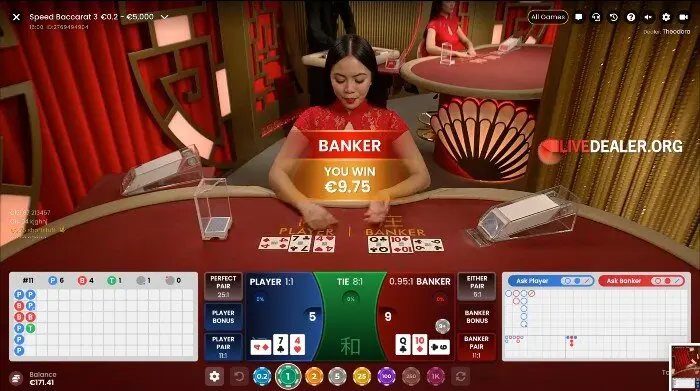
Experiences in fast-paced digital games, from slots to live tables, can subtly reshape expectations about speed, frequency, and emotional payoff, which then affect how pressure is felt during betting sessions. When sessions inside a casino online environment become continuous, with rapid rounds and short gaps between decisions, the brain receives repeated dopamine spikes that make stopping more difficult, especially for players already using gambling to manage stress or escape negative moods. By contrast, users who deliberately slow their pace, schedule clear stop times, and treat these games as occasional diversions, rather than core routines, tend to experience milder emotional swings and preserve a sense of choice over when to log in, play, or step away entirely.
Practical Habits That Support a Fun-First Mindset
Translating mindset into action requires concrete habits, because good intentions alone fade quickly once emotions rise during real-money play. The most resilient players build structures around their betting—financial, temporal, and psychological—that keep enjoyment front and centre while limiting the room for impulsive escalation when results turn against them.
One way to organise these habits is to frame them as deliberate pre-commitments rather than rules improvised under pressure. Before sessions begin, decisions about budget, duration, and emotional criteria for stopping can be written down or tracked, which reduces the temptation to renegotiate boundaries mid-stream when chasing feels appealing.
- Setting a fixed entertainment budget that is separate from essential expenses
- Predefining maximum session length and using alarms or timers to enforce it
- Choosing smaller stakes during emotionally charged periods or after tough days
- Scheduling non-gambling activities directly after sessions to create natural stopping points
- Reviewing recent play with a focus on decisions made, not only money won or lost
These habits effectively lower the ceiling on potential harm while preserving space for enjoyment, because they reduce the chance that a single bad night turns into a prolonged chase. Over time, consistently honouring these boundaries strengthens self-trust, making it easier to keep gambling in the category of optional recreation rather than a source of pressure that demands constant emotional attention.
Summary
Shifting from a pressure-driven to a fun-first mindset in online betting depends less on predicting outcomes and more on managing expectations, emotional triggers, and structural boundaries around play. When players frame gambling as limited entertainment, interpret results through a long-term lens, and apply disciplined psychological habits, enjoyment remains possible while the likelihood of stress, chasing, and more serious harms declines significantly.